Early Signs of Speech Delay in Children
Learn how to identify early speech and language delays and when to seek professional therapy support.
Read More-modified.png)



Mini Minds Child Rehabilitation Center is led by experienced professionals committed to excellence in child rehabilitation and speech & hearing care.
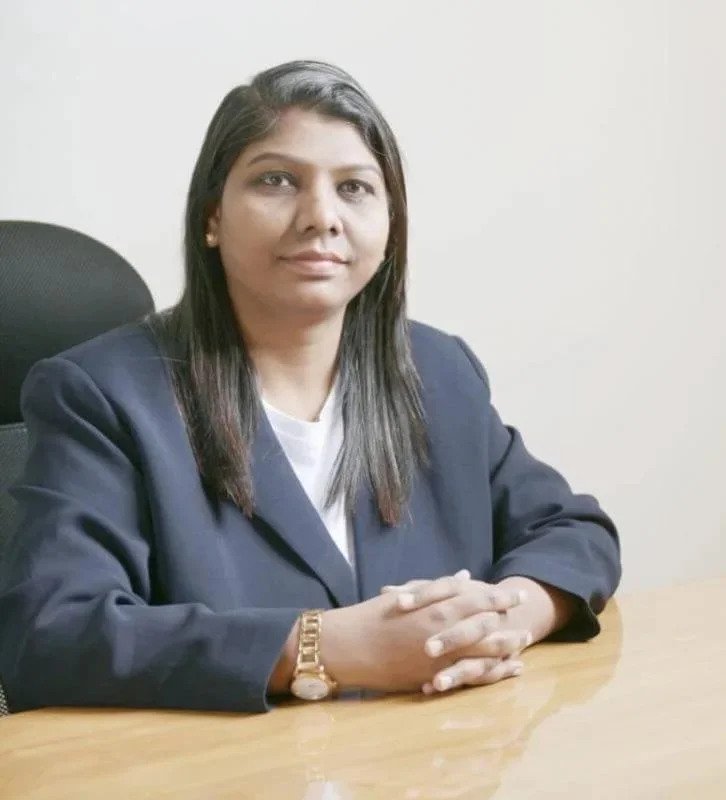
Qualifications: MASLP, BASLP – AYJNISHD(D)
Rajeshree Kirtikar, the driving force behind Kirtikar SoundUP Hearing and Speech Clinic, is a highly dedicated Audiologist and Speech Pathologist. Armed with postgraduate degrees in Audiology and Speech Pathology (MASLP and BASLP) from AYJNISHD(D), she brings over 12 years of expertise to the clinic.
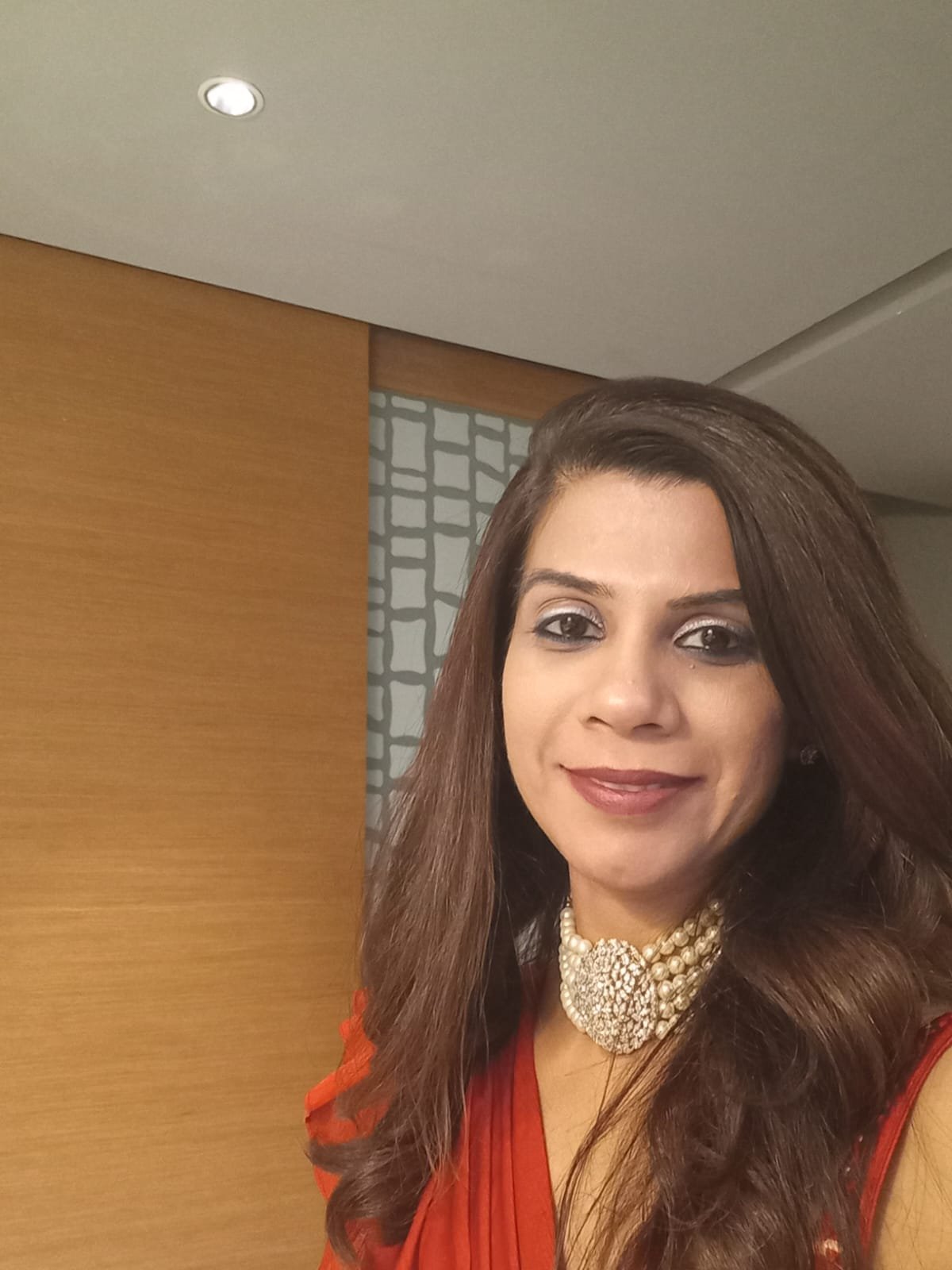
Qualifications: BHMS (MUMBAI) DIPLOMA IN NUTRITION
Dr. Deepti Ramchandani is passionate about child rehabilitation and developmental care. With a compassionate and evidence-based approach, she works closely with children and families to design personalized therapy programs that support physical, speech, and cognitive development.
Our multidisciplinary team is dedicated to creating a safe, supportive and encouraging environment where every child can learn, grow and reach their full potential.
Qualification:
M.G.M. Medical College,
Indore, Madhya Pradesh
Dr. Ruhina Anjum is an experienced Physiotherapist with over 15 years of experience working with specially-abled children.
She has worked with the Social Justice Department supporting children with intellectual and developmental disabilities.
Her compassionate approach focuses on physical development, independence, mobility and participation in daily life.
Qualification:
Master's Degree in Counseling Psychology
Specialization in Child Psychology
Summer Scott has over 4 years of experience in the mental health field, supporting children, adolescents and adults with developmental and learning needs.
She has experience supporting individuals with ASD, Cerebral Palsy, Angelman Syndrome, Dyslexia, Dysgraphia and Dyspraxia.
Her approach is based on trust, patience and helping children feel safe, understood and accepted while working closely with families.
Qualifications:
MSc.SLP- Masters in Speech Language Pathology
Anagha is a dedicated Speech, Language & Swallowing Therapist providing child and family-centered, individualized care through evidence-based and meaningful therapy.
She supports children with speech, language, fluency, autism, feeding and swallowing needs while working closely with parents to promote communication and development.
Qualifications:
MPhil. Clinical Psychology from Central Institute
of Psychiatry (CIP)
MSc. Clinical Psychology from Christ University,
Bangalore
Premaja has over 5 years of experience working with children experiencing anxiety, autism, ADHD, learning disabilities, and emotional and behavioural difficulties.
She provides comprehensive and individualized psychological assessments for children, adolescents and adults.
Her assessments focus on understanding each individual's strengths, challenges and support needs, followed by practical recommendations for parents, educators and professionals.
Understanding common feeding challenges and supporting children towards safe, healthy and positive mealtime experiences.
Mealtimes can be challenging for parents of neurodivergent children. Children with Autism Spectrum Disorder (ASD), ADHD, sensory processing differences, and developmental delays may experience difficulties with food acceptance, chewing, swallowing, and independent feeding.
These challenges are not simply a result of stubbornness or picky eating. Feeding is a complex process involving sensory processing, oral-motor coordination, attention, behaviour, and gastrointestinal functioning
Let's look at some common parental concerns.
"My child eats only a few selected foods."
Some children accept only specific foods, brands, colours, or textures. This may be associated with sensory sensitivities and a preference for familiar foods.
"My child refuses fruits and vegetables."
Different textures, smells, tastes, and appearances may make certain foods difficult to accept.
"My child gags or vomits when trying new foods."
Gagging may be associated with oral sensory hypersensitivity, difficulty managing food textures, or underlying feeding and swallowing difficulties.
"My child keeps food inside the mouth without swallowing."
Food pocketing may occur due to reduced oral awareness, chewing difficulties, or difficulty managing food within the mouth.
"My child takes too long to finish meals."
Prolonged mealtimes may be associated with reduced
attention, inefficient chewing, fatigue, or
sensory difficulties.
"My child eats only while watching television
or using a mobile phone."
Children may become dependent on screens to remain seated and complete meals. This can reduce their awareness of food, hunger, and fullness.
"My child refuses to eat independently."
Some children may have difficulty using utensils, coordinating hand-to-mouth movements, or tolerating food on their hands.
"Is my child getting adequate nutrition?"
Restricted food preferences may result in inadequate intake of essential nutrients, affecting growth and development.
Consider a feeding and swallowing evaluation if your child demonstrates:
Important: Coughing, choking, wet breathing, or breathing difficulties during feeding require prompt medical and swallowing evaluation.
Paediatric feeding therapy focuses on developing safe, functional, and positive eating experiences.
A speech-language pathologist specialising in paediatric feeding and swallowing can assess feeding skills and swallowing safety. Collaboration with occupational therapists, paediatricians, and dietitians may also be beneficial.
Every child has unique feeding preferences and developmental needs. Progress may begin with something as small as touching, smelling, or tolerating an unfamiliar food. Avoid comparing your child's eating habits with those of other children. Instead, focus on gradual progress, comfort, and developing a positive relationship with food.
Remember: The goal is not just to make children eat more foods, but to help them develop safe, functional, and enjoyable eating experiences.We offer specialized therapy programs to help children develop communication, cognitive, and motor skills.

Helping children with delayed speech, stuttering, and language development issues gain confidence.

Providing support for children with cerebral palsy and motor skill challenges to improve mobility.

Helping children improve voice modulation, pronunciation, and communication skills.






Helping children overcome delayed speech, stuttering, and communication challenges.
Personalized behavior therapy programs for Autism Spectrum Disorder and ADHD.
Comprehensive care for Cerebral Palsy, Hearing Loss, and Intellectual Disabilities.
Our trained professionals provide evidence-based therapy with compassion and expertise.
Each child receives a customized therapy program tailored to their developmental needs.
We provide a safe, supportive, and nurturing space where children feel comfortable to grow.
Our team consists of trained and certified therapists who use evidence-based techniques to support children’s communication, behavior, and motor development.
Yes. We create a safe, welcoming, and supportive space where children feel comfortable, confident, and motivated to learn and grow.
Expert insights and helpful resources for parents to support their child’s development and therapy journey.

Learn how to identify early speech and language delays and when to seek professional therapy support.
Read More
A simple guide for parents to understand autism symptoms, behavior patterns, and early intervention.
Read More
Practical tips and therapy approaches to help children with Attention Deficit Hyperactivity Disorder.
Read MoreEarly intervention and personalized therapy can make a life-changing difference. Let’s build a brighter future together.